


Pain is one of the most common health complaints worldwide. From headaches and migraines to muscle injuries and chronic back pain, millions of people rely on painkillers every day to manage discomfort and improve quality of life.
Today, consumers have access to a wide range of medications, including over-the-counter tablets, anti-inflammatory drugs, and prescription medications such as painkillers Vicodin. Understanding the differences between these options is essential for safe and effective pain management.
In this guide, we explore how painkillers work, the differences between painkillers vs pain relievers, common brands available in Germany, and how to choose the right option for your needs.
What Are Painkillers?
Painkillers are medications designed to reduce or eliminate pain. They are also commonly called pain relievers or analgesics.
Common Conditions Treated With Painkillers
Pain medications are frequently used for:
- Headaches and migraines
- Muscle pain
- Back pain
- Arthritis
- Menstrual cramps
- Sports injuries
- Dental pain
- Fever and inflammation
Some painkillers are available without a prescription, while others require medical supervision.
Painkillers vs Pain Relievers: Is There a Difference?
Many people use the terms interchangeably, but there can be subtle differences in how they are understood.
Painkillers vs Pain Relievers
- Painkillers often refers broadly to all medications that reduce pain, including stronger prescription drugs.
- Pain relievers is a more general medical term commonly used for both over-the-counter and prescription analgesics.
In practice, both terms describe medicines that help control pain symptoms.
Main Types of Painkillers
Painkillers fall into several categories depending on how they work in the body.
1. Acetaminophen (Paracetamol)
Acetaminophen is one of the most commonly used pain relievers worldwide.
Uses
It is commonly used for:
- Fever reduction
- Mild headaches
- Toothaches
- General body pain
Advantages
- Gentle on the stomach
- Widely available
- Suitable for many people when used correctly
Risks
Taking too much acetaminophen can lead to serious liver damage.
2. NSAIDs (Nonsteroidal Anti-Inflammatory Drugs)
NSAIDs help reduce both pain and inflammation.
Common NSAIDs
- Ibuprofen
- Naproxen
- Aspirin
- Diclofenac
Best For
- Back pain
- Muscle injuries
- Arthritis
- Menstrual cramps
- Inflammation-related pain
Possible Side Effects
Long-term use may increase the risk of:
- Stomach ulcers
- Bleeding
- Kidney problems
- Heart complications
3. Opioid Painkillers
Opioids are strong prescription medications used for severe pain.
Examples
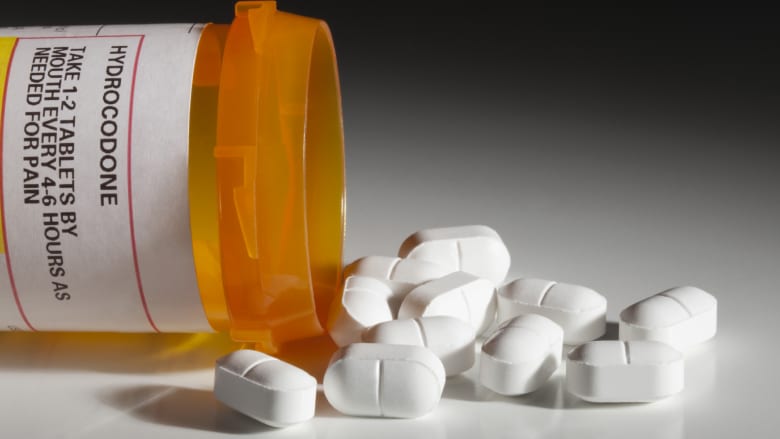
Painkillers Vicodin: What Is Vicodin?
Vicodin is a prescription opioid medication that combines:
- Hydrocodone
- Acetaminophen
It is typically prescribed for moderate to severe pain after surgery, injury, or medical procedures.
Important Safety Information
Vicodin and similar opioid painkillers carry risks such as:
- Dependence
- Addiction
- Drowsiness
- Respiratory depression
- Overdose
Because of these risks, opioid medications should only be used under professional medical supervision.
Choosing the Right Painkiller
The best painkiller depends on:
- Pain severity
- Medical history
- Existing conditions
- Other medications being taken
General Recommendations
Mild Pain
Acetaminophen or low-dose ibuprofen may help.
Inflammatory Pain
NSAIDs are often more effective.
Severe Pain
Prescription medications may be required under medical guidance.
Pain Management Beyond Medication
Pain treatment is not limited to tablets or capsules.
Non-Drug Pain Relief Options
Many people also benefit from:
- Physical therapy
- Stretching and exercise
- Massage therapy
- Heat and cold therapy
- Relaxation techniques
- Improved sleep and nutrition
Combining medication with lifestyle approaches can improve long-term outcomes.
Buying Painkillers Online in Germany
Online pharmacies have become increasingly popular across Europe.
Benefits of Online Ordering
- Convenience
- Home delivery
- Wide product selection
- Easy comparison of brands
Consumers should always choose trusted pharmacies and avoid unverified sellers.
Popular Painkiller Brands in Europe
Some commonly recognized brands include:
- Nurofen
- Voltaren
- Aspirin
- Panadol
- Tylenol
- Advil
Different products may contain different active ingredients, even if marketed for similar symptoms.
Safety Tips for Using Painkillers
To reduce risks:
- Follow dosage instructions carefully
- Avoid mixing medications unnecessarily
- Do not exceed recommended daily limits
- Speak with a healthcare professional if symptoms persist
Long-term pain should always be evaluated properly.
FAQ: Painkillers in Germany
What are the most effective over-the-counter painkillers available in Germany?
Some of the most widely used OTC painkillers in Germany include ibuprofen, paracetamol (acetaminophen), aspirin, and diclofenac-based products. The best option depends on the type of pain and individual health factors.
What are the main differences between common over-the-counter pain relief options?
Paracetamol mainly reduces pain and fever, while NSAIDs such as ibuprofen and aspirin also reduce inflammation. NSAIDs may work better for muscle and joint pain but can cause stomach irritation with long-term use.
Where can I buy painkillers online with delivery in Germany?
Painkillers can be purchased through licensed online pharmacies and health platforms that offer delivery services within Germany. Customers should always verify that the pharmacy is legitimate and compliant with EU regulations.
Which painkiller brands are recommended for migraine relief?
Brands containing ibuprofen, aspirin, or paracetamol are commonly used for migraine symptoms. Some migraine-specific products also combine caffeine with pain-relieving ingredients.
Which non-prescription options are most effective for severe back pain?
NSAIDs such as ibuprofen or naproxen are commonly used for back pain because they help reduce inflammation. Heat therapy, stretching, and physical therapy may also improve recovery.
Final Thoughts
Painkillers remain one of the most important tools for managing both short-term and chronic pain. Whether using over-the-counter medications or prescription options like painkillers Vicodin, understanding how these medicines work is essential for safe use.
Consumers should always prioritize informed choices, proper dosage, and professional guidance when necessary. With the growing availability of online pharmacies in Germany, accessing pain relief products has become more convenient than ever.